
FAA will not hold up 737 MAX 10 certification over a go-around software fault
By Michal Zembol
Published .
On 2 October an FAA review board said a flight-management fault is not a safety concern, so the agency will not require a fix before it certifies the largest 737 MAX. Four days earlier the administrator had paused that approval. The fault can drop vertical navigation after a missed approach.
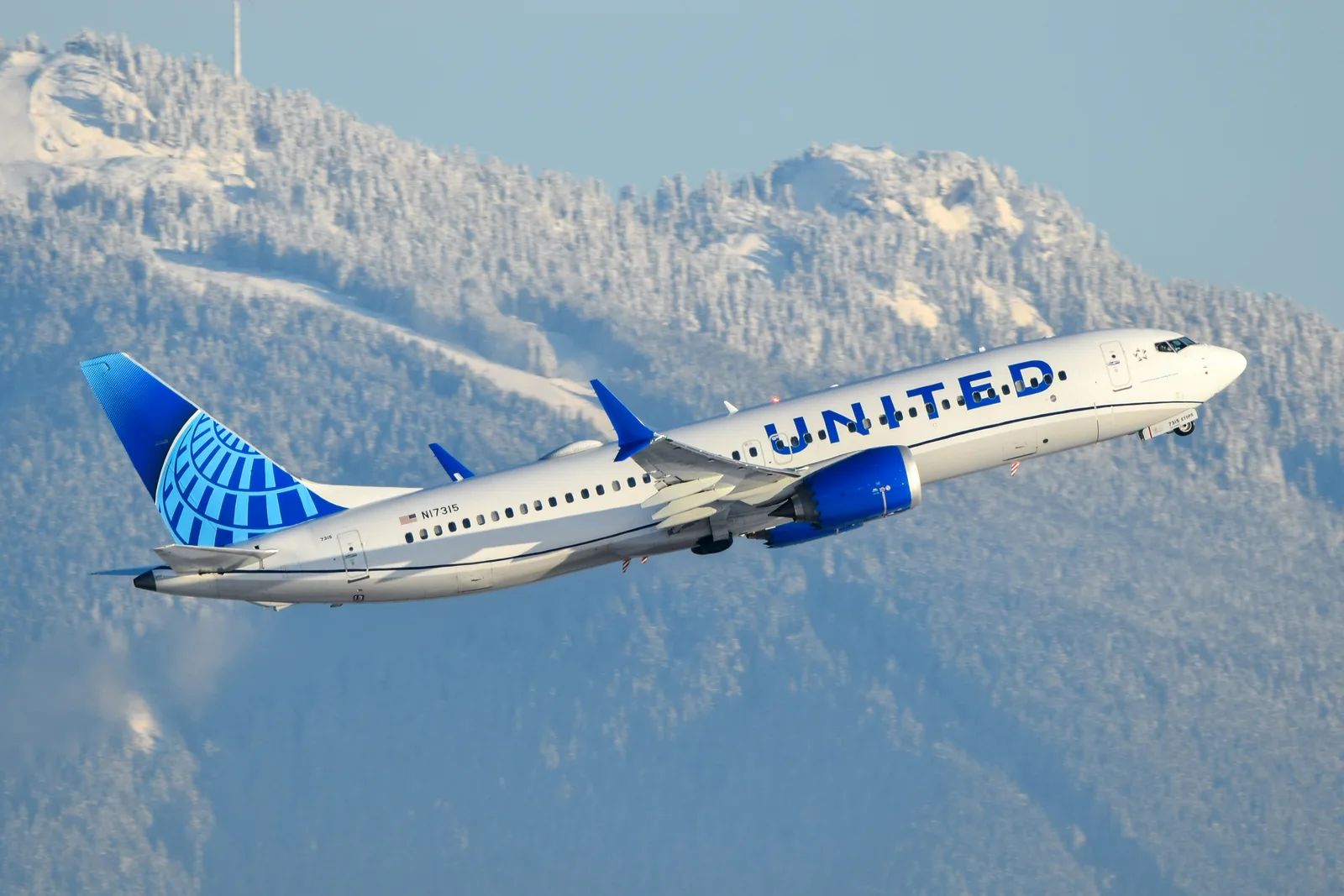
The Federal Aviation Administration will not make Boeing correct a flight-management fault before it certifies the 737 MAX 10. On 2 October a panel of agency specialists, the Corrective Action Review Board, decided the fault "is not a safety concern," the FAA said, "because pilots retain full control of the aircraft and the indications to the flight crew are clear and unambiguous." Aviation Week reported that the agency will not require a software update as a condition of the certificate.
That closes a pause announced four days earlier. On 28 September, administrator Bryan Bedford told reporters, at an event on modernising American air traffic control, that the agency had not yet decided whether the fault was a safety-of-flight problem. "We will be delaying the 10 until we're satisfied that we don't have an issue here," he said. Boeing chief executive Kelly Ortberg had told investors earlier in September that flight testing of the MAX 10 was finished and that approval was close. The FAA issued an amended type certificate for the smaller 737 MAX 7 on 3 August.
The fault is in the flight-management computer, in software loads U14.0 and U14.1. It appears in a narrow sequence. The crew is flying a precision approach with the autopilot on, abandons the landing, and then changes the route stored in the computer. Vertical navigation, the mode that follows the planned altitudes, can drop out. Pitch guidance then falls back to a simpler mode, such as level change, which flies a selected speed toward a selected altitude, or vertical speed. Boeing told CBS News that the autopilot can keep flying when vertical navigation drops, and that pilots are trained to land without it. They do have extra steps on the next approach. What the FAA examined was the workload, close to the ground and with the aircraft already being reconfigured.
Bedford separated this from the earlier 737 MAX crashes. He said the fault does not take control away from the pilots. The Maneuvering Characteristics Augmentation System, implicated in the Lion Air crash of 2018 and the Ethiopian Airlines crash of 2019, repeatedly commanded the nose down. Those two accidents killed 346 people. This fault is in a different computer. The FAA's finding is that the crew remains in command and that the cockpit indications are clear.
GE Aerospace wrote the software. A spokesperson told CBS News on 28 September that the company is working with Boeing and will support the FAA's review. Bedford said the load certified with the MAX 7 had fixed an earlier vertical-navigation bug and, unexpectedly, introduced this one. Aviation Week reported that U14.1 is the version tied to approval of the MAX 7 and the MAX 10, while many MAX 8 and MAX 9 aircraft already in service use an older load. Boeing has told operators the fault is not an immediate safety problem. A spokesperson told CBS News: "Last month, we informed all 737 operators about a software issue where pilots may not have access to automated flight guidance during a specific landing scenario. We shared information with operators that reinforced existing pilot procedures for safely handling such cases. Our engineers are working on a software update to permanently address the issue." CBS reported that the first bulletin put a permanent fix in 2028 and updated crew guidance in November, and that Boeing is trying to bring both forward. On 28 September the company said it would follow the FAA on certification of the MAX 10.
Boeing knew about the behaviour long before it was public. The Wall Street Journal reported the fault on 26 September. CBS News reported that an airline first flagged it in November 2024, that Boeing decided in February 2025 it was not a safety issue, and that further reports from operators this year led the manufacturer to open a formal review and send the findings to the FAA. Aviation Week, citing Reuters, named that first airline as WestJet. The FAA said it reviewed Boeing's analysis and carried out its own. Aviation Week also reported that one 737 operator later recreated the drop-out in a simulator. The pilots had not been told what was coming. They coped, a person familiar with the sessions told the magazine, "but it took some work."
Several airlines are still refusing the software. Southwest, the launch customer for the MAX 7, and United, an early MAX 10 customer, have told Boeing they will not accept new aircraft with the affected load, CBS News and Aviation Week reported. Deliveries of the MAX 8 and MAX 9 are continuing. When a customer asks, Boeing is installing an earlier version instead. Alaska, American, Allegiant, Southwest and United told CBS News that none of the MAX aircraft they already fly use the version in question. CBS described Alaska as the planned launch operator of the MAX 10. Chief executive Ben Minicucci told the network that the bulk of Alaska's orders from now until 2035 will be MAX 10s, and that the type will be "the backbone of our fleet for the next 10 years." He said the airline's message to Boeing was that the company had found the fault and should resolve it with the FAA.
Ryanair has been the most specific about dates. On 29 September, while the pause was still in place, chief executive Michael O'Leary told Reuters he hoped it would last days rather than weeks or months, and that the airline still expected its first 15 MAX 10s in the spring of 2027. Ryanair ordered 150 of the type in 2023, with options for 150 more. The jets it already flies are high-density 737 MAX 8s, which Boeing designates 737-8200. Those comments do not say whether Ryanair will take a MAX 10 before the software is changed.
The order book shows why the two newest variants matter even if most aircraft now flying are unaffected. The Seattle Times, citing RBC Capital Markets, put the MAX 7 backlog at 254 aircraft and the MAX 10 backlog at 1,535, together about 37 percent of Boeing's MAX orders. Boeing had not included deliveries of either type in its 2026 guidance. The same paper reported that Boeing shares fell nearly 7 percent on 28 September, the day Bedford said certification would wait. The board's decision on 2 October lets the certificate proceed without a mandatory software change. It does not decide whether Southwest, United and others will take a MAX 7 or a MAX 10 while the correction is still being written.